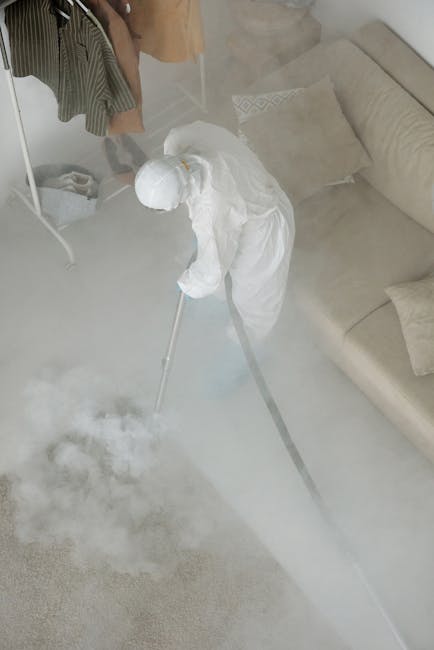
Emergency stain removal and upholstery cleaning Kentish Town Road
Posted on 02/06/2026
Spills happen at the worst possible moment. Red wine on the sofa just before guests arrive, coffee on a favourite armchair, muddy marks after a wet commute, or a mystery stain that seems to appear out of nowhere on a pale fabric. If you are dealing with emergency stain removal and upholstery cleaning Kentish Town Road, the aim is not just to make the mark disappear quickly. It is to stop the stain setting, protect the fabric, and avoid turning a small accident into a costly repair.
This guide walks through what emergency stain removal really involves, how upholstery cleaning works in a real London home or workplace, and what to do in those first few minutes that matter so much. You will also find practical advice on choosing the right treatment, avoiding common mistakes, and knowing when a professional clean is the sensible next step. To be fair, some stains are petty little villains. The good news is that many of them are manageable if you act calmly and use the right method.
For readers building a broader understanding of cleaning support in the area, it may also help to explore the full services overview and the company's upholstery cleaning service in NW5, especially if you are comparing emergency spot treatment with a deeper restorative clean.
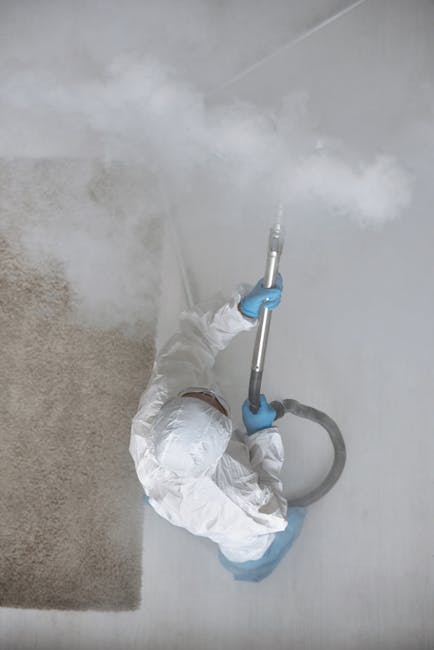
Why emergency stain removal and upholstery cleaning Kentish Town Road matters
Upholstered furniture does more than fill a room. Sofas, dining chairs, ottomans and office seating absorb daily life. They collect food splashes, drink marks, body oils, dust, pet hair and the odd accidental ink line from a pen that should have stayed in a drawer. On Kentish Town Road, where homes, flats, shared spaces and offices see plenty of movement, that wear builds quickly.
Emergency stain removal matters because the first response often determines whether a mark stays visible for good. Once a stain dries, it can bond with fibres, spread deeper into the backing, or leave a ring where moisture has travelled outward. And upholstery is not one-size-fits-all. Velvet, linen, wool blends, synthetic fibres and leather all react differently. A quick dab in the wrong direction can make a tidy spill look worse in seconds. Annoying, yes. But also fixable in many cases.
Local life adds another layer. Homes near busy stretches often deal with everyday grime from traffic, weather and footfall. In family homes, you get a different pattern: juice, lunch, craft materials, a dropped biscuit, maybe a dog who jumped up before drying off. In offices, it is coffee, ink and lunch spills that do the damage. In rented homes, the pressure is different again because damage can affect your deposit or move-out condition. That is why professional advice and prompt response are so valuable.
There is also a hygiene angle. Upholstery can hold moisture, odours and bacteria if it is left damp after a spill. A clean-looking patch is not always a clean one. In many cases, the surface mark may fade while the underlying residue remains. That is where a proper upholstery clean makes a real difference, especially when paired with careful drying and the right stain treatment.
If you are dealing with a sudden issue and want a broader local cleaning read later, the blog archive at the Kentish Town blog hub is a useful place to keep exploring practical home care topics.
How emergency stain removal and upholstery cleaning Kentish Town Road works
Emergency stain removal is a fast, targeted process. The job is to identify the stain, assess the fabric, choose the safest treatment, and remove as much contamination as possible without damaging the upholstery. A proper clean follows a simple but careful sequence.
1. Identify the fabric and the stain type
The first job is understanding what you are dealing with. Water-based spills behave differently from oil-based ones. Food colourings, blood, makeup, wine, grease and ink all need different approaches. The fabric matters just as much. A robust synthetic seat cover may tolerate more aggressive cleaning than a delicate wool or natural fibre fabric. A good cleaner will test first, not guess. That bit matters more than people realise.
2. Blot, do not grind
In an emergency, the first move is usually gentle blotting with a clean cloth or absorbent paper. Rubbing tends to push the stain deeper and spread it out. You want to lift, not scrub. If a stain is still wet, removing excess liquid quickly can prevent much worse damage later. This simple step sounds basic, but honestly, it saves furniture every day.
3. Pre-test the treatment
Before any solution is used, a small hidden area should be checked for colourfastness or fibre reaction. This is particularly important on delicate upholstery or items that have already been previously treated. A stain remover that works beautifully on one sofa can bleach or mark another. Different fabric, different story.
4. Apply the correct cleaning method
Depending on the issue, the clean may involve spot cleaning, low-moisture treatment, controlled agitation, extraction, or deodorising. For upholstered furniture, professionals often use specialist solutions and equipment designed to avoid overwetting. Too much water can cause browning, shrinking, tide marks or longer drying times. Nobody wants a clean patch surrounded by a damp halo.
5. Extract and dry properly
Once the stain is treated, residue should be removed as fully as possible, then the area dried thoroughly. Drying is not glamorous, but it is a major part of successful upholstery cleaning. A sofa that is left slightly damp may attract dirt faster or develop odour. A careful technician will work to speed up drying and keep the fabric in good shape.
6. Finish with inspection
The final step is checking the results under normal room light, because some marks look better in bright daylight than they do in the evening and vice versa. Sometimes a second, gentle pass is safer than forcing the fabric through one harsh treatment. That measured approach is usually the smarter one.
Key benefits and practical advantages
When emergency stain removal is handled well, the benefits go beyond appearance. Yes, the sofa looks better. But there is more to it than that.
- Better stain recovery: Early treatment often prevents permanent marking, especially on drinks, food spills and fresh mud.
- Less fabric damage: The right process protects fibres, stitching and backing material.
- Improved hygiene: Removing residue helps reduce smells and build-up from food, pets and everyday wear.
- Longer upholstery lifespan: Clean fibres generally last longer and look more even over time.
- Reduced stress: A fast, competent response can stop a small spill from becoming a major household headache.
- Better presentation: Important for homes being sold, rented, refreshed for guests, or used in customer-facing spaces.
There is a practical business benefit too. In a reception area, cafe seating, short-let property or office lounge, stained upholstery can affect how a place feels instantly. People notice it before they even realise they noticed it. A clean chair says care, order, and attention. A stained one... not so much.
For landlords, tenants and property managers, stain treatment often sits alongside wider cleaning and move-out preparation. If that is part of your situation, it can be useful to review end of tenancy cleaning in NW5 and the practical notes in the NW5 end of tenancy cleaning guide.
Who this is for and when it makes sense
This kind of cleaning is not just for dramatic disasters. It makes sense for a wide range of everyday situations.
Homeowners and renters
If a sofa or armchair is part of your daily life, stains are likely at some point. That is especially true in flats where furniture does a lot of work in a relatively small space. A quick intervention can help avoid permanent patching or replacement. And let's face it, replacing a good sofa is rarely cheap or convenient.
Families with children
Children are brilliant, chaotic, and very productive when it comes to spills. Juice, crayons, chocolate, yoghurt and sticky fingers all have a way of finding upholstery. Emergency stain removal is useful because it limits how deeply those marks settle.
Pet owners
Pet-related stains can include muddy paws, saliva, urine accidents, and odours that seem to hang around even after the surface looks clean. For pet households, a deeper upholstery clean may be the difference between "looks okay" and "actually fresh".
Offices and commercial spaces
Office seating, waiting room chairs and shared lounge furniture can pick up marks quickly, especially if coffee is part of the culture. In those settings, appearance and hygiene both matter. A tidy space helps everyone feel more settled. A stained one can make the whole place feel a bit tired, even when everything else is fine.
Move-in, move-out and property sale situations
If you are preparing a property for new occupants, upholstery presentation becomes part of the larger impression. Buyers, tenants and visitors notice the atmosphere of a room immediately. The cleaner the fabric, the calmer the space feels. That matters more than people sometimes think. If you are planning a move or reviewing property advice locally, there are helpful related reads like Kentish Town home buying and selling tips and buying property in Kentish Town.
Step-by-step guidance
If a stain appears right now, the safest response is calm and simple. Here is a practical approach you can use before a professional arrives, or before you decide whether the item needs expert treatment.
- Act quickly. Fresh stains are easier to treat than old ones. Even two or three minutes can help.
- Remove solids first. If it is food, mud or anything chunky, lift it gently with a spoon or dull edge. Do not smear it.
- Blot the spill. Use a clean white cloth or paper towel. Press lightly and repeat. Do not rub in circles like you are polishing a table.
- Check the cleaning code or care label. If available, this gives a useful clue about what the fabric can handle.
- Test a small hidden area. Any liquid treatment should be checked first, especially on dyed or delicate fabrics.
- Use the mildest suitable method. Often that means a small amount of appropriate upholstery cleaner, never soaking the fabric.
- Work from the outside in. This helps stop the stain spreading.
- Blot again. Lift residue after treatment. More product is not always better. Usually it is not.
- Dry carefully. Use airflow, not heat blasts, unless the care instructions allow it.
- Call for help if the mark remains. If the stain is spreading, setting, or the fabric looks affected, stop there and avoid a bigger problem.
A useful rule of thumb: if you are unsure, do less. A cautious first response beats an overconfident one nearly every time.
Expert tips for better results
There are a few habits that make emergency stain removal much more effective. They sound small, but they add up.
Use white cloths rather than coloured ones
Coloured towels can transfer dye when they get damp. White cloths let you see what is being lifted from the fabric, which is actually quite useful. Bit of a boring tip, perhaps, but it saves trouble.
Work gently and patiently
Fast does not mean forceful. A careful blotting motion is far safer than pressure and friction. If you press too hard, you can flatten pile, push residue deeper or damage the weave.
Keep moisture under control
Overwetting is one of the biggest causes of upholstery problems. The surface may look cleaner, but water can travel beyond the visible stain and leave marks later. Controlled moisture is the key.
Know when a stain is more than a stain
Some marks are actually a combination of contamination, dye transfer and fibre distortion. In plain English, it is not always just a spot to clean off. Sometimes the fabric itself has changed. At that point, patience and the right tools matter far more than enthusiasm.
Schedule a deeper clean after the emergency
Spot removal handles the immediate issue, but a full upholstery clean often restores the overall appearance and removes the halo effect around the treated area. That is especially helpful when the furniture has general soil on top of the stain. A single patch can look odd if the rest of the sofa is dull, after all.
If you are interested in more careful, lower-impact cleaning methods, you may also find the company's eco-friendly cleaning approach worth a look. It is especially relevant where households want practical cleaning without unnecessary harshness.
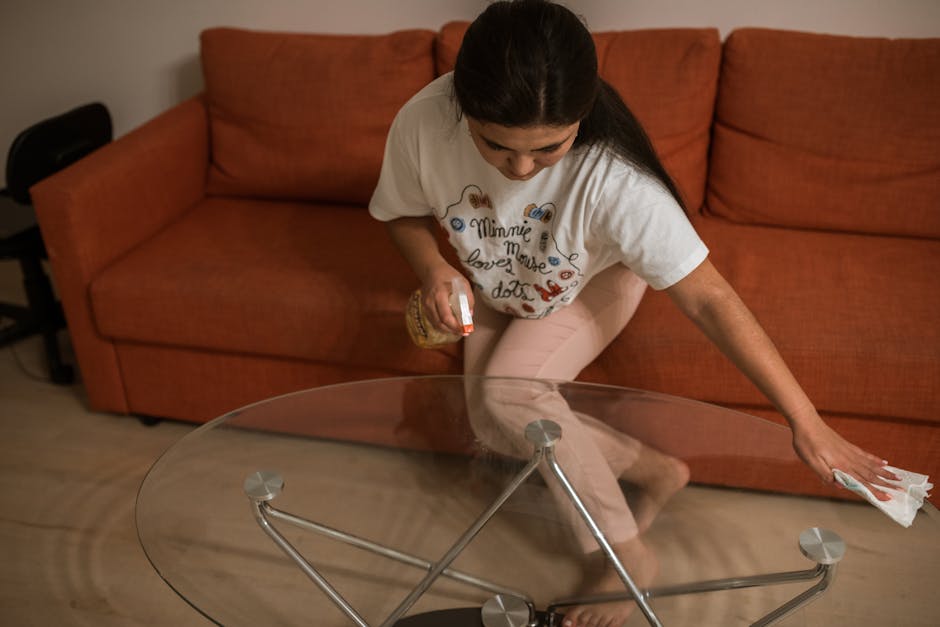
Common mistakes to avoid
Most upholstery damage from spills is not caused by the spill itself. It is caused by what happens next. That is the frustrating bit.
- Rubbing the stain: This spreads the mark and can roughen fibres.
- Using too much product: More cleaner does not equal better cleaning.
- Applying heat too soon: Heat can lock some stains in place, especially protein-based or dyed spills.
- Ignoring the fabric type: What works on one couch may damage another.
- Skipping a test patch: This is a gamble, and not a very clever one.
- Leaving moisture to sit: Damp upholstery can smell and attract more dirt.
- Trying to fix everything at once: Layering product after product can make residue worse.
One subtle mistake is believing a stain has gone because it looks faint under one type of light. Sit on it, move around the room, look at it in daylight and again in the evening. You will notice the difference. Sadly, stains can be sneaky like that.
Tools, resources and recommendations
You do not need a cupboard full of fancy products to deal with a fresh spill. In fact, keeping things simple is often better.
| Tool or item | Best use | Why it helps |
|---|---|---|
| White absorbent cloths | Blotting fresh spills | Reduces dye transfer and shows how much residue is being lifted |
| Paper towels | Initial moisture removal | Useful for quick response on wet stains |
| Soft upholstery brush | Gentle fibre lift | Helps release dry soil without harsh rubbing |
| Vacuum with upholstery attachment | Routine maintenance | Removes crumbs, dust and pet hair before they embed deeper |
| Fabric-safe stain treatment | Spot cleaning | Can tackle fresh marks if matched correctly to the fabric |
| Airflow fan or open-window drying | Post-treatment drying | Speeds up evaporation and helps prevent odour |
For people who want a more complete understanding of service quality, it can also be helpful to read about the company's approach to consistent standards, as well as practical pages on insurance and safety and health and safety policy. Those pages help build trust around how work is carried out in real homes and workplaces.
If budgeting matters, the pricing guidance at pricing and quotes can help you think through what affects the final cost, especially if your stain issue is part of a larger clean. And if you like to compare before booking, the article on home cleaning costs in Kentish Town is a sensible companion read.
Law, compliance, standards and best practice
Upholstery cleaning is not heavily regulated in the same way as some trades, but that does not mean standards do not matter. Good practice still matters a great deal, especially where homes, tenants, staff or customers are involved.
In the UK, responsible cleaning work normally includes safe product use, suitable risk awareness, clear communication and respect for the property being cleaned. For commercial spaces, there is also an expectation that cleaners work carefully around people, cables, flooring, electrical equipment and other everyday hazards. A professional cleaner should be mindful of ventilation, product handling and slip risk from damp fabrics or floors nearby.
Where a business or contractor is working in your home, it is reasonable to expect proper insurance, clear terms, and a sensible complaints process if something goes wrong. Those are not extras. They are part of basic trust. You can review the related policy pages on complaints procedure, terms and conditions, payment and security, and privacy policy if you want a clearer picture of the practical safeguards involved.
If access or communication needs matter in your household or building, it is also worth checking the accessibility statement. Small detail, yes, but useful detail.
Options, methods and comparison table
Not every stain needs the same response. Sometimes a simple spot treatment is enough. Sometimes the better choice is a deeper upholstery clean. And sometimes the safest move is to stop experimenting and let a professional take over.
| Method | Best for | Pros | Limits |
|---|---|---|---|
| Immediate blotting | Fresh liquid spills | Fast, cheap, protects fibres | Won't remove set or oily stains alone |
| Home spot treatment | Small, known stains on suitable fabrics | Convenient and quick | Risk of rings, fading or residue if misused |
| Professional spot removal | Stubborn or sensitive-fabric stains | Safer fabric matching, better control | May not address general soil around the stain |
| Full upholstery cleaning | Multiple marks, odours, overall dullness | Improves appearance across the whole item | Needs drying time and proper preparation |
| Replacement or reupholstery | Severe fabric damage | Restores the item structurally | More costly and time-consuming |
The useful thing here is knowing that stain removal and upholstery cleaning are related, but not identical. A stain can be treated without a full clean. A full clean can also improve a room when the stain itself is not the only issue. That distinction helps you avoid overpaying or under-treating the problem.
Case study or real-world example
Imagine a small flat near Kentish Town Road on a rainy weekday evening. A guest arrives, coats are piled near the door, and someone knocks a mug of coffee onto a light-coloured two-seater sofa. The spill looks minor at first, just a dark patch and a bit of steam. By the time the chat settles down, though, the mark has spread into a broader shape and the fabric has started to look blotchy.
The first sensible move is to blot, not scrub. A clean cloth lifts the excess liquid. The second is to avoid guessing with random household chemicals, because coffee stains on upholstery are often a mix of pigment, oils and moisture. If the fabric is delicate or the mark begins to set, professional help becomes the practical option rather than a luxury.
In a real-world clean, the technician would check the fabric, test a hidden section, treat the coffee residue with a suitable solution, then work to reduce the faint ring that often appears around dried spills. The broader sofa may also receive a full clean so the treated area blends in properly. That matters because a perfectly cleaned spot can still look obvious against a dull surrounding fabric.
What usually surprises people is how much the rest of the sofa improves after the emergency is handled. The armrest feels fresher. The room smells better. The fabric looks more even in daylight. It is one of those quiet little wins you only really appreciate when you are sitting back with a cup of tea, relieved the disaster did not win.
Practical checklist
Use this checklist when a spill happens. It keeps the situation manageable, which is half the battle.
- Identify the stain type if possible.
- Check the upholstery care label or cleaning code.
- Blot the spill with a clean white cloth.
- Remove solids gently before any liquid treatment.
- Test any cleaner in a hidden spot.
- Use the mildest effective method first.
- Avoid soaking the fabric.
- Do not rub aggressively.
- Allow proper drying with airflow.
- Reassess in good light once dry.
- Book a professional clean if the stain lingers, spreads or leaves a ring.
Practical summary: the quickest results usually come from calm action, low moisture, careful testing and, when needed, a professional upholstery clean that deals with both the stain and the surrounding fabric. Simple, really. Not easy in the moment, but simple.
If you are comparing service options across a broader home care plan, you might also look at domestic cleaning in NW5, house cleaning in NW5 and carpet cleaning in NW5 so your upholstery, carpets and general rooms all work together visually. A well-kept room tends to feel easier to live in. It just does.
Conclusion
Emergency stain removal and upholstery cleaning Kentish Town Road is about more than reacting to a spill. It is about knowing what the fabric needs, acting quickly without making the problem bigger, and choosing the right level of help for the job. Fresh stains, delicate materials and high-traffic spaces all benefit from a careful, experienced approach.
Used well, the process restores not just appearance but confidence. You can sit back on the sofa again without staring at the patch every five minutes. You can welcome guests, handle everyday family chaos, or keep a workplace looking calm and professional. That peace of mind is worth a lot, especially in busy London living where furniture has to work hard.
Get a free quote today and see how much you can save.
If you want a more personal view of local life around the area while you plan your next clean, the write-up on resident insights on Kentish Town living is a nice companion read. And if you enjoy the local side of things, there are also lighter reads like perfect party places in Kentish Town and navigating the streets of Kentish Town for a bit of neighbourhood context.