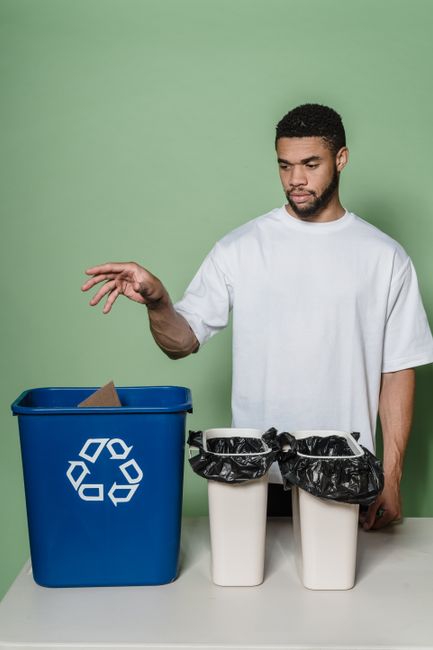
Waste disposal and recycling rules for carpet cleaning in Camden
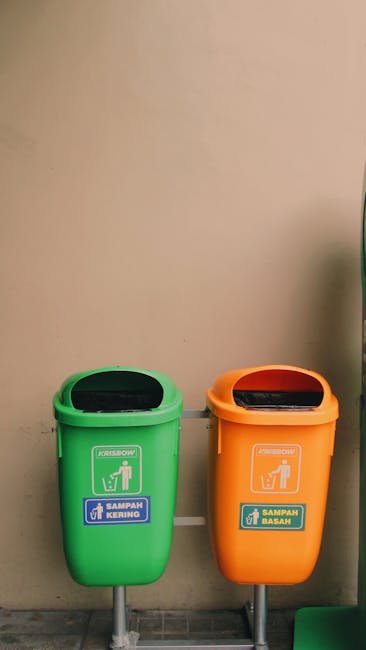
If you are arranging a carpet clean in Camden, waste is part of the job, even when it barely gets mentioned. Dirty rinse water, used cloths, packaging, removed carpet offcuts, and the odd stubborn contaminant all need to be handled properly. Get that wrong and you can create avoidable mess, complaints, or even a compliance headache. Get it right, and the clean feels smooth, tidy, and genuinely professional.
This guide breaks down the practical side of Waste disposal and recycling rules for carpet cleaning in Camden in plain English. It explains what usually counts as waste, how to separate reusable and recyclable materials, what to do with wastewater, and where businesses and households often trip up. We will also look at local best practice, common mistakes, and a simple checklist you can actually use.
Why Waste disposal and recycling rules for carpet cleaning in Camden Matters
Carpet cleaning seems simple from the outside. Spray, scrub, extract, done. But the waste stream behind that service is often where the real responsibility sits. Wastewater can carry soil, detergents, pet residues, food oils, and fine fibres. Used pads and cloths may be reusable or disposable depending on contamination. Packaging from chemicals, protective sheets, and removed carpet material all need different handling.
In Camden, where many homes are flats, managed buildings, and busy commercial premises, the basics matter even more. Shared bins fill quickly. Communal areas need to stay clean. Residents do not want odours drifting through the stairwell at 8am. To be fair, nobody wants to explain to a managing agent why a carpet clean left a wet trail across the hallway.
There is also a reputational side. A professional clean does not just look good on the carpet; it should leave the site tidy, safe, and easy to manage afterwards. If you are booking a provider, this is one of the best ways to judge quality. A good team should know how to protect surfaces, remove waste responsibly, and keep recycling streams separate where possible. If you want to understand how a broader cleaning operation approaches responsible practice, the site's recycling and sustainability approach is a useful place to start.
Key point: waste handling is not an optional extra. It is part of the service, and it affects hygiene, compliance, and the overall finish.
How Waste disposal and recycling rules for carpet cleaning in Camden Works
There is no single "one size fits all" method, because carpet cleaning can produce several different waste types. The right approach depends on what was cleaned, which products were used, and whether anything was damaged, removed, or heavily contaminated.
1) Separate waste by type
The first step is simple sorting. Clean paper packaging can usually go with dry recycling. Empty bottles may be recyclable if they are accepted locally and rinsed as required. Used cloths, pads, or vacuum contents are often general waste if they contain soil, hair, and residues. If there is contamination from bodily fluids, mould, or pest activity, the disposal approach should be more cautious and based on the risk involved.
2) Manage wastewater carefully
Hot water extraction and steam carpet cleaning can produce wastewater that should never be tipped carelessly. In many cases, professional cleaners collect wastewater in machine tanks and dispose of it through appropriate drainage arrangements, following site rules and sensible environmental practice. The exact method depends on the premises, the product used, and local building rules. That is one reason some teams prefer a careful pre-check before they begin.
If the job is in a commercial setting, especially offices or shared buildings, the team may need to confirm where disposal is allowed and whether the site has any restrictions on sinks, drains, or cleaning rooms. A little planning saves a lot of backtracking.
3) Recycle what can be recycled
Cardboard boxes, some plastic containers, and clean packaging materials should be separated wherever possible. This is not about being perfect every time. It is about avoiding the lazy "everything in one bin" approach. In practice, that habit creates more landfill waste and can make a tidy job look sloppy.
4) Dispose of contaminated items as non-recyclable waste
Anything contaminated with heavy soil, pet waste, grease, or chemicals usually cannot go into normal recycling. That includes some disposable cloths, heavily soiled PPE, and materials removed during stain or odour work. A cautious approach is the right one here. Guessing is where people get it wrong.
5) Keep records when needed
For domestic jobs, records may be informal. For commercial work, especially where waste transfer arrangements or contractor responsibilities matter, a business may need clearer paperwork. That is where working with a provider that understands professional processes matters. You can also review the company's broader health and safety policy if you want to see how site safety and waste handling sit together.
Key Benefits and Practical Advantages
Good waste handling is one of those things people only notice when it goes badly. When it goes well, the whole visit feels calmer and more organised. Here are the real advantages.
- Cleaner final result: no leftover mess, packaging, or wet waste sitting around after the carpet is cleaned.
- Better hygiene: contaminated cloths and residues are dealt with properly rather than being left to smell or spread bacteria.
- Less disruption: tidy disposal means fewer complaints from neighbours, tenants, or office staff.
- More recycling: usable packaging and clean materials are diverted away from general waste where possible.
- Lower risk of mistakes: sorting waste properly reduces the chance of mixing hazardous or contaminated materials with ordinary recycling.
- Stronger professional image: especially important for landlords, facilities teams, and commercial clients.
There is also a practical money angle, though not in a dramatic way. If waste is managed efficiently, you avoid re-cleans, site delays, and awkward follow-up conversations. No one wants to come back the next morning because a residue bucket was left in the wrong place. That sort of thing happens more often than people admit.
For customers comparing services, it may be worth looking at a provider's broader service standards as well, such as professional carpet cleaning and the company's approach to insurance and safety. Those pages can help you judge whether the team thinks beyond the visible clean.
Who This Is For and When It Makes Sense
This topic matters to more people than you might expect. A lot of readers land here because they are dealing with one specific job, but the same rules of common sense apply in several scenarios.
Homeowners and tenants
If you are having carpets cleaned in a flat, maisonette, or family home, waste tends to be smaller in volume but still needs care. A cup of dirty water tipped into the wrong place can stain grout or leave smells in the sink. And if you are moving out, you really do not want last-minute mess complicating a check-out.
Landlords and letting agents
For end-of-tenancy jobs, waste handling is part of the handover story. A clean carpet is good, but a clean property with no leftover rubbish is better. If a building has shared bins or limited access, planning disposal in advance becomes even more important. In those cases, end-of-tenancy cleaning often works best when waste handling is considered from the start.
Offices and commercial sites
Commercial cleaning teams often work around staff, visitors, stock, and access rules. Waste must not block walkways or create trip hazards. In office settings, it may also be necessary to coordinate with building management about collection points, disposal rooms, and after-hours access. If you manage a workspace, the broader context of office cleaning is relevant because waste control is part of the overall service.
Property managers and facilities teams
Communal corridors, reception areas, and shared entrances demand a steadier hand. Residents are quick to notice bins overfilled or waste left near fire exits. For this reason, many managers prefer cleaners who already understand building rules and can work neatly around them.
When specialist disposal is a better idea
If the carpet has pet contamination, mould, heavy odour, or biological residue, a standard "bin it and forget it" approach is not good enough. Special care is needed. That is especially true for pet stain and odour removal jobs, where contaminated items may need to be treated as general waste rather than recyclable material.
Step-by-Step Guidance
If you want a tidy, sensible process, keep it simple and consistent. Here is a practical way to handle waste before, during, and after carpet cleaning.
- Inspect the space first. Look for old carpet pieces, damaged packaging, pet waste, or anything else that may affect disposal.
- Identify the waste types. Separate clean recyclables, general waste, contaminated items, and any liquids that need controlled disposal.
- Protect the route out. Use covers, bags, or trays where needed so dirty water or debris does not track through the building.
- Collect extraction waste safely. Keep wastewater in machine tanks or suitable containers until it can be disposed of appropriately.
- Sort reusable items. Some cloths, pads, or equipment coverings can be cleaned and reused if they are not contaminated.
- Bag the non-recyclable waste. Seal it properly so odours and leaks are minimised.
- Dispose according to site rules. This may mean designated bins, a service yard, or a waste point agreed with the property manager.
- Check the area before leaving. The final sweep matters. Empty bottles, tape, and corner scraps are easy to miss.
That last step sounds obvious, but it is where plenty of jobs go slightly wrong. A tiny bit of packaging in the wrong corner can make an otherwise polished service feel unfinished. Small detail, big difference.
Expert Tips for Better Results
Good waste practice does not need to be complicated. It just needs to be disciplined.
- Decant products carefully. Use only what you need to reduce leftover liquid waste and packaging clutter.
- Choose reusable where practical. Microfibre cloths and washable pads often reduce waste more effectively than single-use alternatives.
- Label buckets and containers. Mixed liquids are where confusion starts, especially on bigger jobs.
- Keep contaminated and clean waste separate. One bad item can spoil a whole recycling bag.
- Use sealed liners for odorous waste. This is especially helpful after pet-related work or deeply soiled carpets.
- Plan for flats and shared buildings. Waste handling gets trickier when lifts, hallways, and communal bins are involved.
If you are booking a service for a property with mixed surfaces, it can help to coordinate carpet cleaning with related services such as rug cleaning, sofa cleaning, or upholstery cleaning. That way, waste sorting can be managed in one plan rather than as separate little jobs.
And yes, it saves time. More importantly, it reduces the chance of missing something odd, like a disposable protector stuck behind a radiator. Happens more than you would think.
Common Mistakes to Avoid
A lot of waste problems come from rushing. Not from bad intentions. Just a quick job, a busy corridor, a forgotten bag, and suddenly you have a nuisance issue on your hands.
- Mixing everything into one bag. This defeats recycling and can create contamination problems.
- Pouring wastewater into an unsuitable drain. Not every drain or sink is appropriate, and some buildings have specific rules.
- Leaving wet waste in open containers. That can cause odour and leakage, especially in warm weather.
- Assuming all packaging is recyclable. Some plastic films and dirty containers are not suitable for recycling.
- Ignoring building rules. Managed properties often have access windows, refuse points, or collection schedules.
- Forgetting contaminated materials. Heavy staining, pet accidents, or mould changes the disposal approach.
If you are in a hurry on a Friday afternoon, it is tempting to dump everything and be done. But the cleaner the waste handling, the easier the handover. Truth be told, that is where professional standards show up most clearly.
Tools, Resources and Recommendations
You do not need fancy equipment to dispose of carpet cleaning waste properly, but the right basics make a big difference.
Useful tools
- Wet vacuum or extraction machine: helps collect wastewater rather than leaving it on the floor.
- Sealable waste bags: useful for contaminated cloths, protective materials, and disposable items.
- Colour-coded containers: helps separate recyclable, general, and contaminated waste.
- Absorbent pads or towels: useful for accidental spills during transport.
- Labels or markers: handy on bigger commercial jobs where waste gets staged before collection.
Practical recommendations
If you want a more sustainable approach, choose a cleaner who uses products carefully, brings the right containment gear, and avoids unnecessary single-use items. The company's recycling and sustainability information can also give you a feel for how seriously they take this side of the work.
For broader reassurance, a provider's about us page and service standards can help show how they operate day to day. That sounds a bit formal, but it is useful. You want people who understand the job beyond the machine noise and the visible foam.
Law, Compliance, Standards, or Best Practice
Waste disposal in the UK is shaped by general environmental duties, local collection arrangements, and sensible site-specific controls. For carpet cleaning, the practical takeaway is straightforward: do not assume waste can be disposed of however you like. Different materials may need different handling, and contaminated waste should be treated cautiously.
For domestic properties, the main expectation is simple compliance with household waste and recycling rules. For commercial sites, the duty of care is more pronounced, especially where a business creates waste on behalf of a client or carries waste off site. In plain English: if you are generating the waste, you need to know where it goes and whether it is suitable for recycling, disposal, or specialist handling.
Best practice usually includes:
- keeping recyclables clean and separate where possible;
- avoiding cross-contamination between waste streams;
- storing waste safely so it does not leak or smell;
- following building rules and local collection arrangements;
- using a responsible cleaning contractor with proper insurance and safe working methods.
If you are dealing with a commercial or managed property, it can also be helpful to check the provider's terms and conditions and insurance and safety information before booking. That way, everyone knows who is responsible for what. Simple, but it prevents awkward conversations later.
Options, Methods, or Comparison Table
Different jobs call for different waste handling methods. Here is a plain comparison to help you think it through.
| Method | Best for | Pros | Watch-outs |
|---|---|---|---|
| Standard domestic disposal | Small homes, routine carpet cleans | Simple and low disruption | Needs care with wastewater and contamination |
| Building-managed disposal | Flats, communal properties, offices | Works well with site rules and shared access | Must follow collection points and timing rules |
| Separated recycling stream | Packaging, clean bottles, dry cardboard | Supports greener disposal and less landfill | Contamination can make items unrecyclable |
| Special handling for contaminated waste | Pet accidents, mould, heavy staining, biological residue | Safer and more hygienic | May require non-recyclable disposal |
If you are comparing services, think less about "who is cheapest" and more about "who will leave the property properly managed." The difference is real. A good clean should never leave a trail of bins, damp packaging, or mystery puddles.
Case Study or Real-World Example
Picture a small Camden flat on a damp Monday morning. The tenant is moving out, the hallway is narrow, and the carpet near the living room has a few food marks plus a stale smell from an old pet bed. The cleaner arrives just after nine, checks the route to the kitchen, and asks where waste should go before starting. Sensible, right?
The team sets aside clean packaging, keeps reusable cloths separate, and collects wastewater directly into the machine tank. The soiled pet-bed liner and a few contaminated wipes are bagged for general waste, not recycling. Cardboard product packaging is flattened and kept dry. By the end of the job, the flat is clean, the bins are not overflowing, and the hallway still smells neutral instead of sharp and chemical.
That is the sort of outcome people remember. Not because it is dramatic, but because nothing went wrong. The landlord gets a presentable handover, the tenant avoids a last-minute panic, and the building manager does not have to chase anyone about rubbish in the stairwell.
For a larger property, the same logic applies but on a bigger scale. A commercial clean may involve more equipment, more packaging, and more coordination. In that case, services like commercial carpet cleaning and communal area cleaning are especially useful because waste and access are handled as part of the wider job, not as an afterthought.
Practical Checklist
Use this quick checklist before, during, or after a carpet clean in Camden.
- Confirm where waste will be staged and collected.
- Separate recyclables from contaminated waste.
- Keep wastewater in a controlled container or extraction tank.
- Do not assume all packaging is recyclable.
- Follow building rules for bins, service yards, and access routes.
- Protect floors, lifts, and shared corridors from drips or debris.
- Bag odorous or soiled items securely.
- Do a final sweep for tape, caps, cloths, and packaging scraps.
- Check whether any specialist disposal is needed for biological or heavy contamination.
- Choose a provider who treats waste handling as part of the job, not a bonus.
If you are also arranging wider cleaning work, a planned visit that includes domestic cleaning or one-off cleaning can make waste management easier because the whole property is handled in one pass. Less clutter, less friction, less chance of missed items.
Conclusion
Waste disposal and recycling rules for carpet cleaning in Camden are mostly about clarity, care, and not cutting corners. Sort what can be recycled, keep contaminated materials separate, manage wastewater properly, and respect the rules of the building you are working in. That is the practical heart of it.
For homeowners, it keeps the property tidy and stress-free. For landlords and businesses, it protects your reputation and reduces avoidable hassle. And for everyone, it makes the service feel more professional. Honestly, that's the real win.
If you are choosing a cleaner, ask a few simple questions about waste handling before the appointment. The answer tells you a lot about the standard of the service, and usually very quickly.
Get a free quote today and see how much you can save.
Frequently Asked Questions
What counts as waste during carpet cleaning?
Typical waste includes dirty extraction water, used cloths, disposable pads, product packaging, and any removed carpet scraps or heavily soiled materials. In some jobs, pet contamination or mould-related debris also needs special care.
Can carpet cleaning wastewater go down any drain?
Not automatically. It depends on the property, the drainage point, and the products used. A responsible cleaner will choose a suitable disposal method rather than tipping wastewater anywhere convenient.
Are carpet cleaning bottles and containers recyclable?
Sometimes, yes, if they are clean enough and accepted by the local recycling stream. If a bottle contains heavy residue or has been contaminated, it may need to go in general waste instead.
What should happen to dirty cloths and pads?
If they are cleanable and reusable, they should be washed and kept in rotation. If they are contaminated or single-use, they usually go into general waste rather than recycling.
Do Camden flats make waste disposal harder?
They can, mainly because of shared corridors, limited bin space, and building rules. A good cleaner will plan access and disposal in advance, which avoids awkward back-and-forth through communal areas.
Is pet stain removal treated differently?
Often, yes. Pet contamination can affect how waste is bagged, stored, and disposed of. Recyclable items may no longer be suitable once they have been contaminated.
How can I tell if a cleaner handles waste properly?
Ask how they separate recyclables, where wastewater goes, and what they do with contaminated materials. Clear, practical answers are a good sign. Vague answers are not.
Does waste handling affect the final price?
It can, depending on the amount of waste, the level of contamination, and whether specialist disposal is required. For a standard clean, the impact is usually modest, but unusual waste can add complexity.
What is the biggest mistake people make?
Mixing everything together. Once recyclable and contaminated waste are combined, the whole lot may need to be treated as general waste. That is avoidable most of the time.
Should I ask about recycling before booking a carpet clean?
Yes, especially if you care about sustainability or you are managing a property with strict waste rules. It is a sensible question and a fair one.
Does this apply to rugs and upholstery too?
Yes, the same waste principles usually apply to related services such as rug and upholstery work. The materials may differ, but the basics of sorting, containment, and safe disposal stay the same.
What should I do if the job involves heavy contamination or smells?
Tell the cleaner in advance. That gives them time to plan suitable waste handling and avoid surprises on the day. A bit of honesty upfront saves everyone trouble later.