Cheap carpet cleaning versus quality service in Kentish Town
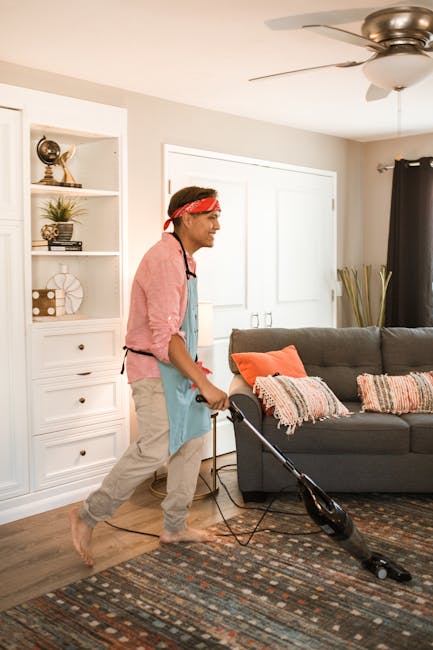
If you are comparing cheap carpet cleaning versus quality service in Kentish Town, you are probably trying to answer a very normal question: how low can I go without paying for it twice? In a place like Kentish Town, where homes, flats, HMOs and small businesses all see plenty of footfall, carpets pick up dust, spills, pet smells and the odd mystery stain faster than people expect. The tricky bit is that the cheapest quote is not always the best value, and the most expensive option is not automatically the smartest either.
This guide breaks down what cheap carpet cleaning really means, what a proper service should include, where the hidden costs usually appear, and how to choose a cleaner who gives you decent results without making the whole thing feel like a gamble. We will keep it practical. No fluff, no salesy nonsense. Just the sort of detail that helps when you are standing in your hallway looking at a tired-looking carpet and thinking, "Right, what now?"
Why cheap carpet cleaning versus quality service in Kentish Town matters
The difference between a bargain clean and a quality clean usually shows up in the details. Cheap carpet cleaning can look attractive at first because the price is simple and the promise is quick. But carpets are not like wiping a kitchen counter. Fibres hold on to soil, residue, odours and moisture in ways you only really notice later, when the room still looks dull or the stain comes back as soon as it dries.
In Kentish Town, that matters for a few reasons. Many properties are older, so carpet wear can be uneven. You may have narrow stairs, compact rooms or shared hallways, and that can affect the equipment and technique needed. If you live in a busy household, run a small office, manage a rental, or are preparing for a move, a poor clean can become a repeat expense rather than a saving.
To be fair, cheap is not always bad. Sometimes you only need a light refresh for low-traffic carpet, and a straightforward appointment does the job. The issue is when "cheap" actually means rushed, under-equipped, or based on a one-size-fits-all approach. That is where people end up disappointed. The carpet may feel sticky, look patchy, or dry too slowly, which is never a nice surprise on a damp London afternoon.
Expert summary: the real question is not "cheap or expensive?" but "what will I actually get for the money, and how long will the result last?" If a cleaner cannot explain their process clearly, the price is probably not the whole story.
How cheap carpet cleaning versus quality service in Kentish Town works
Most carpet cleaning jobs follow a similar path: inspection, pre-treatment, cleaning, extraction or rinsing, and drying. What changes is the level of care, equipment quality, solution choice and time spent on awkward areas. A lower-cost provider may do the basics quickly. A quality service usually spends longer on fibre type, stain history, room use and moisture control.
For example, a decent cleaner will not treat every carpet the same. Wool, synthetic blends and delicate rugs behave differently. A proper service should consider pile direction, hidden staining, pet accidents and whether the carpet is holding onto detergent from previous cleaning attempts. That matters more than people think. Over-wetting a carpet, for instance, can cause slow drying and leave a musty smell, which is exactly the sort of thing you wanted to avoid.
If you want a broader service context, it can help to look at the provider's dedicated carpet cleaning service and related options such as steam carpet cleaning or stain removal. Those pages often show whether the business thinks in terms of methods and outcomes, rather than just throwing out a headline price.
Quality usually shows up in the pre-check. The cleaner should ask about stains, pets, access, recent decorating, underlay issues and whether any spots have already been treated with supermarket products. That last one is common. People spray something on a mark, rub it hard, and then wonder why it looks worse. Happens all the time, honestly.
Key benefits and practical advantages
If you choose quality service over the absolute cheapest option, the most obvious benefit is better carpet appearance. But the real advantages go beyond looking tidy. A well-cleaned carpet can feel softer underfoot, smell fresher, and last longer because soil and grit are removed before they grind the fibres down further.
- Better stain lifting: professional treatment is more likely to deal with old marks, tracked-in dirt and spill residue.
- Improved drying: a careful process reduces the chance of lingering dampness and that flat, slightly sour smell.
- More honest expectations: good cleaners tell you what can and cannot be improved, which is a relief in itself.
- Less repeat work: a proper clean can avoid the "it looked okay for two days" problem.
- Safer for the home: better practice usually means sensible product choice, controlled moisture and clearer aftercare.
There is also a confidence benefit. When you know the cleaner has looked at the carpet properly, you stop worrying quite so much about whether the hallway will still be tacky tomorrow morning. That may sound small, but in a busy home or during a tenancy changeover, it matters a lot.
For households with more than carpets to think about, the quality mindset tends to carry over to other areas too. A company that handles sofa cleaning, rug cleaning and upholstery cleaning with care is usually thinking about fabric type, stain behaviour and drying time rather than just speed.
Who this is for and when it makes sense
This decision matters for more people than you might expect. A cheap quick clean can be fine if you are freshening up a spare room or dealing with low-traffic carpet before guests arrive. But if the carpet is heavily used, older, or stained in multiple places, quality service usually gives better value.
You may need to lean toward quality if you are:
- moving out and want the carpet to look respectable for a landlord or new occupants;
- moving in and want a genuinely fresh start;
- running a rental, Airbnb or short-let property where first impressions matter;
- managing an office or communal space where wear is constant;
- dealing with pets, food spills or repeated foot traffic;
- trying to rescue a carpet after builders, decorating or a busy winter period.
In those situations, the cheapest option can become false economy pretty quickly. A deeper, more careful clean often saves you from booking again. If your property needs more than a simple refresh, services like deep cleaning, end of tenancy cleaning, or even after builders cleaning may be more appropriate than a basic bargain carpet wash.
Truth be told, the best choice depends on the carpet's condition and how much disruption you can tolerate. If you need everything dried and ready quickly, the cheapest job is often not the smoothest ride.
Step-by-step guidance
If you want to choose well, keep the process simple and structured. No drama. Just a sensible check before you book.
- Inspect the carpet first. Look for traffic lanes, stains, pet areas, discolouration and worn patches. If a stain has been there for months, it may need special treatment rather than a standard wash.
- Decide what outcome you want. Are you after freshness, stain reduction, odour control, or end-of-tenancy presentation? Different goals need different levels of service.
- Ask what is included. Does the quote include pre-treatment, moving light furniture, edge work, stain treatment or drying advice?
- Check method and equipment. Steam extraction is common, but not every carpet benefits from the same approach. A quality provider should explain why their method suits your fibres.
- Confirm drying expectations. Ask how long the carpet is likely to take to dry and what you should avoid afterwards.
- Read the quote carefully. If pricing seems unusually low, check for add-ons. Some companies quote a tempting base rate and then start charging for every little thing.
- Book with the right expectation. A good clean improves carpets, but it does not usually perform magic on permanent fibre damage or severe wear.
A useful extra step is to review the provider's pricing and quotes information before you book. Clear pricing is often a sign of a business that understands customers hate surprises. Quite rightly.
If you are comparing services for a rental, office or a mixed property, you might also look at domestic cleaning, office cleaning or commercial cleaning to see how the company handles broader cleaning standards. That can tell you a lot about their organisation, even before you speak to them.
Expert tips for better results
Small decisions make a big difference. If you have ever watched a carpet cleaner work and thought, "That seemed oddly quick," you already know where quality can slip.
- Vacuum before the appointment. It seems obvious, but it helps remove loose grit so the cleaner can focus on embedded soil.
- Point out problem areas. The cleaner cannot read your mind, and that tiny mark by the skirting board may matter more to you than the obvious spill.
- Avoid over-wetting at home. If you have tried DIY methods already, do not keep flooding the same spot. More moisture is not always more clean.
- Ask for fibre-specific care. Wool, synthetic and mixed carpets do not all behave the same way. Good cleaners know this.
- Use sensible aftercare. Keep airflow moving, avoid heavy foot traffic while damp, and do not put furniture back too soon unless advised.
One little thing people overlook is smell. A carpet can look passable and still hold a stale note when you walk into the room. That usually means residue, moisture or a deeper contamination issue. If odour is the real issue, a targeted service such as pet stain odour removal may be more useful than a cheap general clean.
And here is a sensible rule of thumb: if the quote sounds too quick to be true, it often is. Not always, but often enough to ask another question or two.
Common mistakes to avoid
The biggest mistake is choosing only on price. Of course price matters. Everyone has a budget. But once a cleaner starts cutting corners on inspection, chemistry or dwell time, the result can be patchy at best.
- Ignoring the fabric type. Some carpets need gentler handling than others.
- Assuming every stain can be removed. Some stains have already set, bleached, or permanently altered the fibre.
- Not asking about drying. Wet carpets and busy households do not mix well.
- Choosing vague quotes. "From GBPX" means very little if the final invoice changes once the cleaner arrives.
- Using harsh DIY products first. Many supermarket spotters leave residue or spread the stain further.
- Skipping aftercare. Even a brilliant clean can look worse if the room is shut up and airless afterwards.
A smaller but common mistake is overreacting to a first impression. A carpet may look a little damp or slightly flattened immediately after cleaning. That is not automatically a bad sign. The better question is whether the cleaner explained what to expect and whether the carpet improves properly as it dries.
Tools, resources and recommendations
You do not need a warehouse of kit to make a good decision, but a few practical tools help.
- A basic fibre check: even a visual inspection helps you tell whether the carpet is wool-like, synthetic or mixed.
- Good lighting: daylight or a bright lamp reveals traffic lanes and hidden marks better than warm evening lighting.
- Paper notes or phone photos: take before pictures if you are comparing options or moving out soon.
- Questions list: write down what you want to ask so you do not forget when the cleaner calls back.
From a service perspective, the most useful website pages are usually the ones that explain process, trust and payment clearly. For example, about the company, insurance and safety, payment and security, and the business's health and safety policy can tell you a lot about whether they operate professionally or just talk a good game.
If you are booking for a property with lots of fabric surfaces, it may also help to consider related services such as curtain cleaning, mattress cleaning or patio cleaning. Not because you need everything done at once, but because a company that handles different surfaces carefully is often more consistent overall.
Law, compliance, standards, or best practice
For carpet cleaning, the main compliance concerns are not usually legal in a dramatic sense, but practical and duty-of-care related. In the UK, a professional cleaner should work safely, use products sensibly, and avoid creating hazards through excessive water, poor cable management or unsafe chemical use. If the work is done in a shared building or business premises, good practice becomes even more important.
It is also wise to look for clear terms, honest pricing and a proper complaints route. That sounds boring, but boring is good when money and property are involved. If something goes wrong, you want to know how the business handles it. A company with a visible complaints procedure and clear terms and conditions is usually signalling that it expects to be accountable. That's reassuring.
Sustainability can matter too, especially if you are regularly cleaning a home or commercial space. A provider that references recycling and sustainability is at least thinking about waste and product use, which is a good habit in itself. It does not guarantee perfection, but it does suggest more rounded practice.
Best practice also means being honest about limits. Quality service should not promise miracles on permanently damaged pile or long-term bleach marks. The honest answer is often the useful one, even if it is not the flashiest. That honesty saves everyone time.
Options, methods, or comparison table
Below is a simple comparison to help you weigh cheap carpet cleaning against a quality-focused service. It is not about price snobbery. It is about matching the job to the outcome you need.
| Factor | Cheap carpet cleaning | Quality service |
|---|---|---|
| Initial cost | Lower upfront price | Usually higher, but clearer value |
| Inspection | Often brief or minimal | More detailed and fibre-aware |
| Stain handling | Basic or generic treatment | More likely to use targeted pre-treatment |
| Drying control | Can be inconsistent | Usually managed more carefully |
| Communication | Sometimes vague | Clearer about expectations and limits |
| Long-term value | Can be poor if the clean needs repeating | Often better if the carpet is valuable or heavily used |
| Best for | Light refreshes, low-risk jobs | Busy homes, rentals, stains, odours, shared spaces |
There is a middle ground, of course. A reasonably priced provider with transparent methods, proper equipment and realistic promises can be the sweet spot. That is usually what people actually want, even if they say they want the cheapest option. Fair enough.
Case study or real-world example
Consider a typical Kentish Town flat with two bedrooms, a hallway and a living room. The carpet is a few years old, there are dark patches near the entryway, and one room has a faint pet smell. A very cheap cleaner may offer a quick pass through the rooms and leave after a short visit. The carpet may look a bit brighter, but the traffic lane still shows and the smell lingers once the windows are shut.
A quality-focused clean would usually start with a fuller inspection. The cleaner would identify the more worn areas, pre-treat the traffic lanes, give the pet area proper attention and explain drying time. The result is not always perfect - let's be honest, some stains have already won their battle - but the carpet should feel fresher, look more even and dry more predictably.
That kind of outcome is especially useful if the property is about to be photographed for a rental listing, handed back after a tenancy, or simply needs to feel comfortable again. You notice the difference when you step into the room the next morning and it does not smell like damp laundry. Small victory, but a real one.
If the same flat also needed other surface work, such as house cleaning or move out cleaning, it would make sense to coordinate the jobs rather than treat them as separate emergencies. Cleaners who handle multiple tasks well often save time and reduce mess moving from room to room.
Practical checklist
Before you book, run through this quick checklist. It is simple, but it catches a lot of avoidable problems.
- Have you inspected the carpet for stains, wear and odour?
- Do you know whether the carpet is wool, synthetic or mixed?
- Has the cleaner explained what is included in the quote?
- Do you know the expected drying time?
- Have you asked how the cleaner handles pet stains, old marks or delicate fibres?
- Have you checked the company's trust pages, such as insurance, terms and complaints handling?
- Do you know whether any furniture needs to be moved in advance?
- Have you taken before photos if the clean matters for tenancy or records?
- Do you have a follow-up plan if one stain needs a second look?
If you can tick most of those off, you are already ahead of many people who just go with the cheapest number on the page and hope for the best. Hope is lovely. Not much of a strategy, though.
Get a free quote today and see how much you can save.
Conclusion
Cheap carpet cleaning versus quality service in Kentish Town is really a question about risk, expectations and value. Cheap can work for light, low-stakes jobs. Quality service earns its keep when the carpet is important, the staining is stubborn, or the result needs to last. The best choice is the one that suits your carpet, your schedule and your tolerance for disappointment - preferably very low.
In practical terms, look for clarity, not just a good headline price. A cleaner who explains their method, respects your space, and gives you honest expectations is usually worth more than a bargain that fades after a week. That is the real difference people remember.
And if you are still weighing it up, take your time. A careful decision now can save you a second booking later, and that is usually where the real savings live.
Frequently Asked Questions
Is cheap carpet cleaning ever worth it in Kentish Town?
Yes, if the carpet only needs a light refresh and you are not expecting miracle stain removal. For low-risk jobs, a cheaper service can be fine. Just make sure the quote is clear and the cleaner understands the carpet type.
What is the main difference between cheap carpet cleaning and quality service?
The biggest difference is usually attention to detail. Quality service tends to include better inspection, more suitable treatment, clearer communication and more reliable drying. Cheap service may focus on speed and price first.
Why do some carpet cleaning quotes look much lower than others?
Lower quotes often reflect shorter appointment times, fewer inclusions or limited stain treatment. Sometimes the base price is low but extras are added later. Always check what is included before booking.
Can a cheap clean damage my carpet?
It can, if the cleaner uses too much moisture, the wrong product or an unsuitable method for the fibre type. Damage is not guaranteed, of course, but poor technique increases the risk.
How do I know if my carpet needs deep cleaning rather than a basic clean?
If there are traffic lanes, odours, repeated stains or a lot of embedded dirt, deep cleaning is usually the better choice. A carpet that just looks a little dull may only need a lighter refresh.
What should I ask before booking carpet cleaning?
Ask what is included, how the cleaner handles stains, how long drying should take, and whether the method suits your carpet fibre. It also helps to ask about insurance, terms and complaints handling.
Is steam cleaning always the best option?
Not always. Steam extraction is common and effective for many carpets, but the best method depends on the fibre, stain type and moisture tolerance. A good cleaner should choose the method based on the carpet, not habit.
How long should carpets take to dry after cleaning?
Drying time varies depending on the method, airflow, pile type and room conditions. It is best to ask the cleaner for a realistic estimate rather than assume it will be dry immediately. London weather does not always help either.
What if a stain does not come out fully?
That can happen, especially with old, set or previously treated stains. Quality cleaners should tell you what is possible before they start and explain if the stain has permanently altered the fibre.
Should I choose carpet cleaning based on price alone?
Usually not. Price matters, but so do method, honesty, drying control and the condition of the carpet. The cheapest option can become expensive if you need the work done again.
Can carpet cleaning help with pet smells?
Yes, if the issue is surface contamination or light odour in the fibres. Stronger or older pet smells may need more targeted treatment, such as a dedicated odour service, rather than a standard basic clean.
What is a sensible next step if I am still undecided?
Take a few photos, note the stains or problem areas, and compare quotes carefully. If the company explains things clearly and does not rush you, that is usually a positive sign. Trust the process a little, but not blindly.